
Meet Our Founders
Two disciplines. One public purpose.
Founder
Prof. Dimitri
Nanopoulos
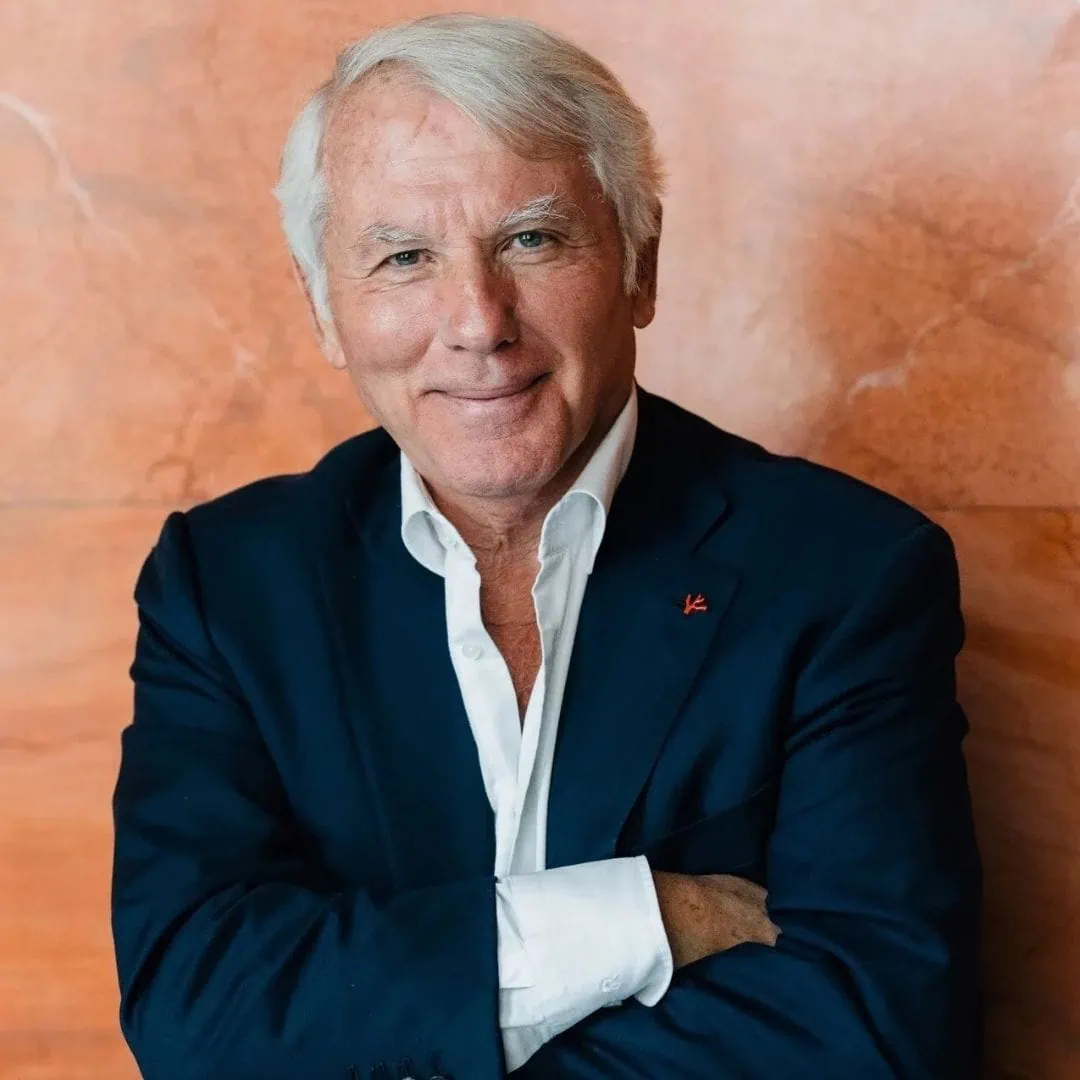
Distinguished Emeritus Professor of Physics at Texas A&M University, Member of the Academy of Athens, a Visiting Researcher at New York University, and a longtime research affiliate at CERN, with earlier research fellowships at Harvard University and Ecole Normale Superieur.
One of the most cited physicists of his generation, his work spans string theory, grand unified theories, including the flipped SU(5) model , and quantum cosmology, and he was part of the CERN team whose theoretical framework helped guide the experimental search that led to the discovery of the Higgs boson, a contribution acknowledged by Peter Higgs himself. He is the author of hundreds (771) of scientific publications.
In 1995, Nanopoulos proposed a quantum-theoretic model of brain function, treating neuronal microtubules through string theory to explain memory encoding and capacity. He later helped test this idea experimentally, co-authoring a Drosophila study showing that excess TAU protein disrupts the neuronal microtubule cytoskeleton and impairs learning and memory offering biological support for the microtubule-based model. Experiments are now underway to test these three-decade-old theories with current techniques.
Through the programs Dimitri leads, the Lindau Nobel Laureate Meeting Scholarships and the Quantum Brain, he concentrates his efforts to open frontiers for the next generation of scientists and to keep science and the humanities in public view.
Founder
Dr. Olga
Nanopoulou
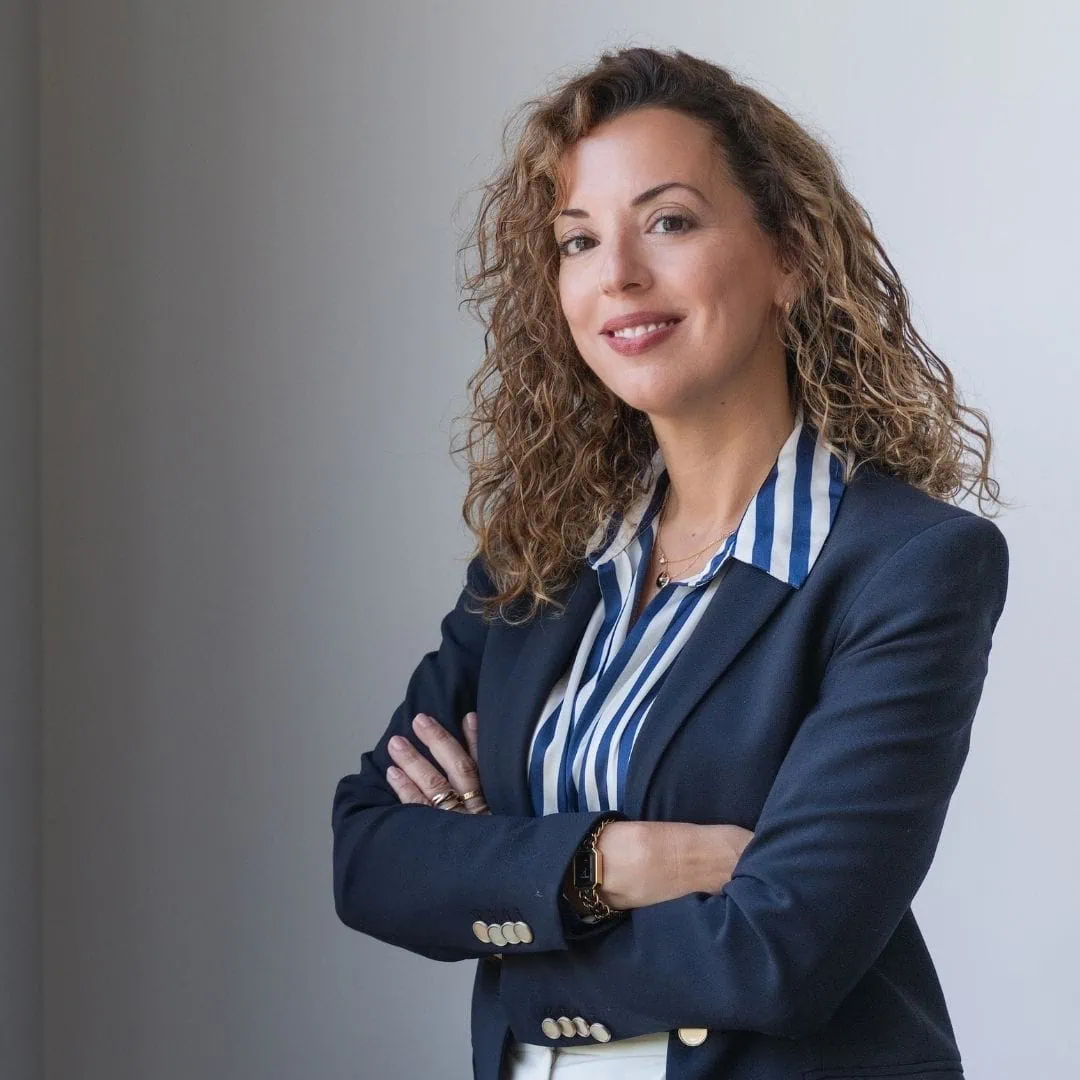
Lawyer and bioethics researcher whose career bridges law, biomedical science, and human rights advocacy.
She spent seventeen years as in-house lawyer and researcher at the Biomedical Research Foundation of the Academy of Athens, where her work centered on the legal and ethical implications of biomedical research, including data protection, intellectual property, and regulatory compliance. Since 2015, she has served as an external ethics expert to the European Commission, and she has held research affiliations with the Centre for Research Ethics & Bioethics at Uppsala University and BBMRI-ERIC in Graz, Austria, working on EU-funded projects addressing comparative privacy law across the regions of Europe and Africa.
Her human rights work includes advocacy for women's health at the World Health Organization in Geneva, and she currently serves in that capacity at the United Nations, NYC, headquarters through the Women for Water Partnership. She authored the first comprehensive framework for AI health literacy as a foundation for responsible AI in healthcare, published in Frontiers, Digital Health.
Through the Nanopoulos Foundation Program “AI Health Literacy Hub”, she leads efforts to make AI in medicine legible to the public while shaping the ethical and regulatory frameworks that guide its use on a global scale.
