CSW70 INSIGHTS · 19 MARCH 2026
Justice in the Digital Age:
Advancing Women’s Right to Health in Low-Literacy and Digitally Excluded Contexts
United Nations Headquarters, New York
CR-8 · 11:30-12:45
Commission on the Status of Women, CSW70
Co-organizers:
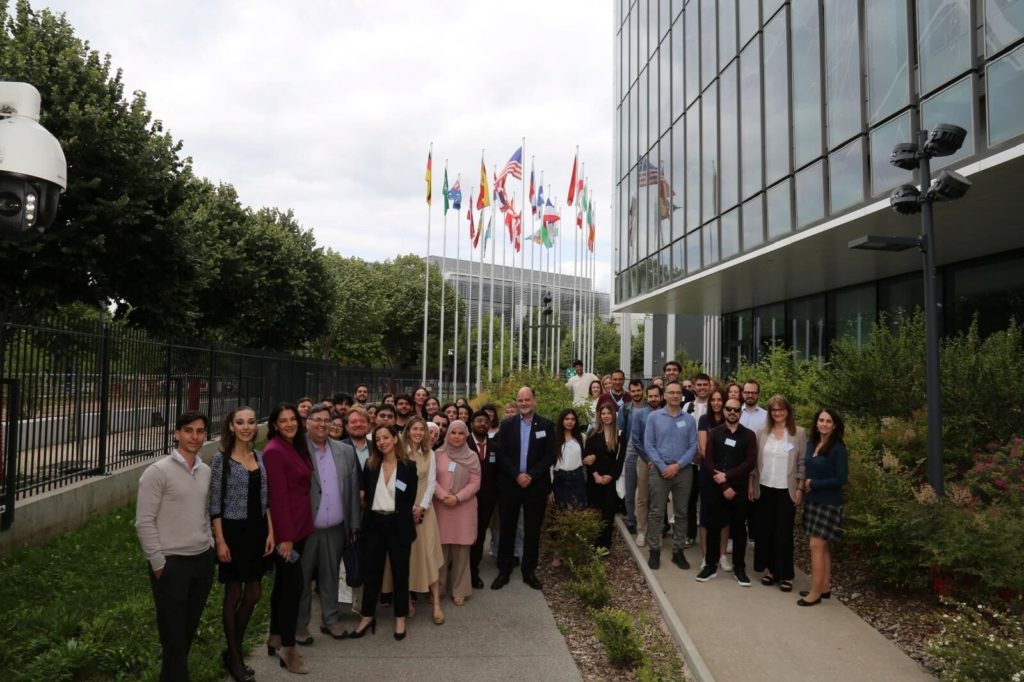
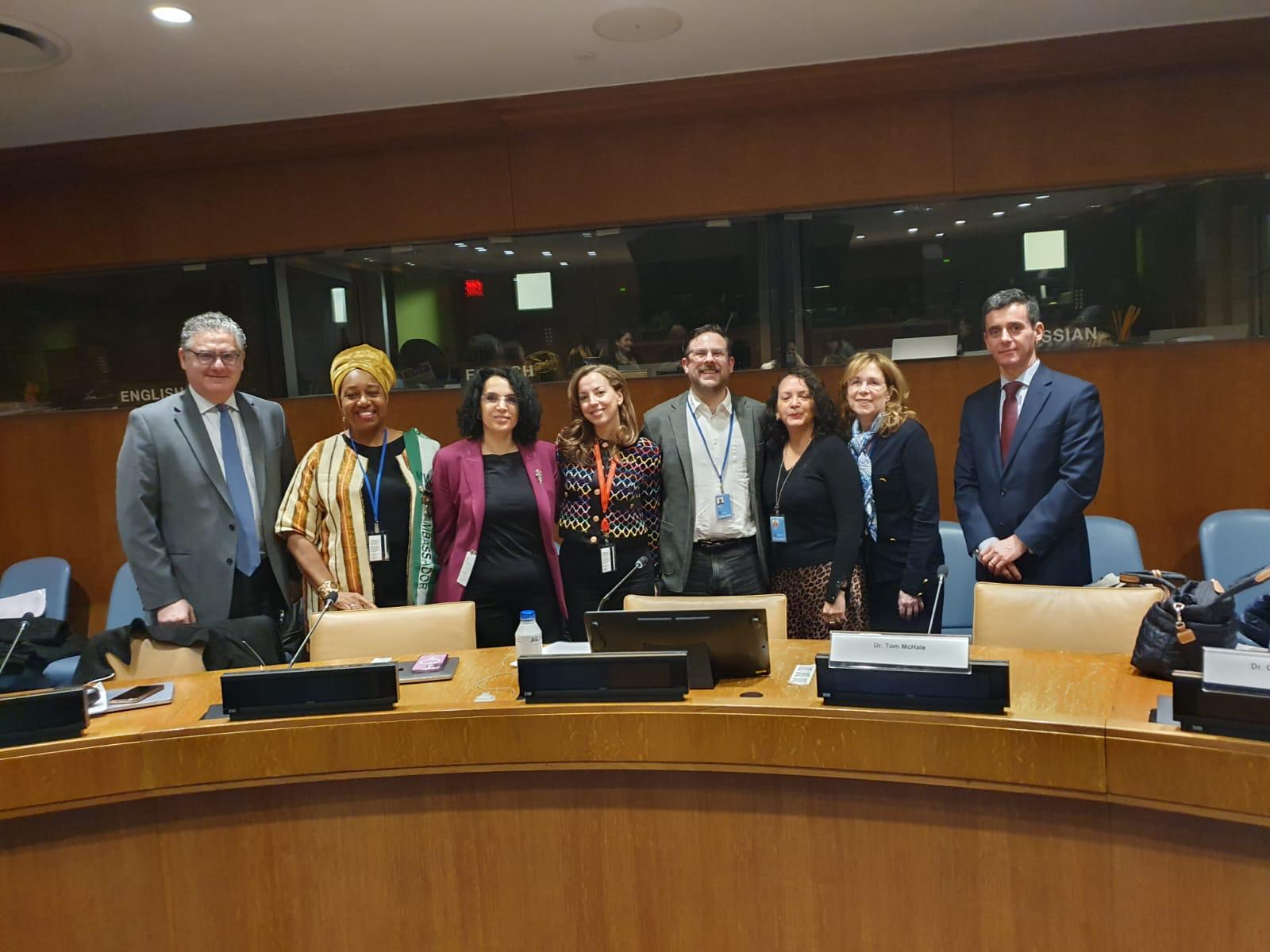
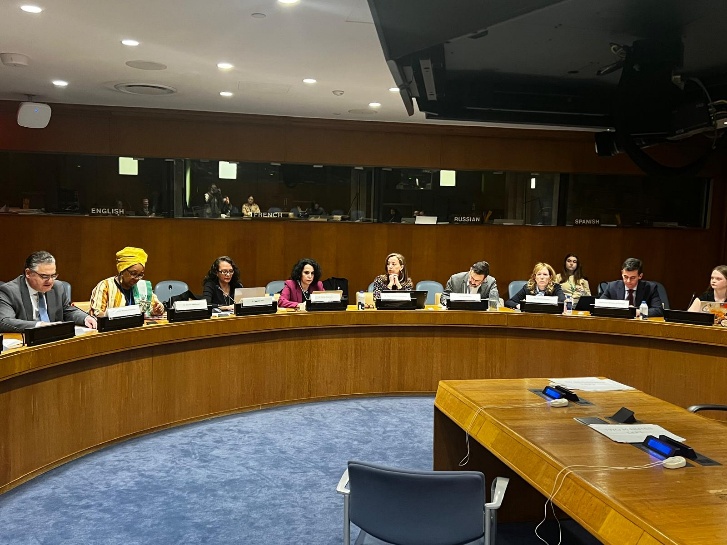
On 19 March 2026, the Digital Health Literacy & Policy Hub convened a landmark side event at the United Nations during the 70th session of the Commission on the Status of Women, bringing together six world-leading experts to confront one of the most urgent and under-examined justice challenges of our time: the exclusion of women from the digital health revolution.
CSW70 Side Event · CR-8, United Nations Headquarters, New York · 19 March 2026. Hosted by the Digital Health Literacy & Policy Hub, Nanopoulos Foundation.
THE MESSAGE
Co-Design tech tools for women and with women
Digital health systems hold enormous promise: telemedicine, AI-powered diagnostics, electronic health records, and mobile health applications are transforming how care is delivered around the world. Yet for millions of women, in low-literacy settings, underserved communities, and regions with limited connectivity, these advances are not expanding access. They are deepening exclusion.
Platforms that assume digital fluency, literacy, and reliable internet access can unintentionally shut out the very populations they were designed to serve. And when AI tools are built on data that underrepresents women, the outputs are not just incomplete, they are harmful. This is not a technical glitch. It is a structural justice issue.
That is the premise the Hub brought to the United Nations floor during CSW70, the world’s leading intergovernmental forum on gender equality, with a 75-minute moderated panel discussion that moved from diagnosis to accountability to action.
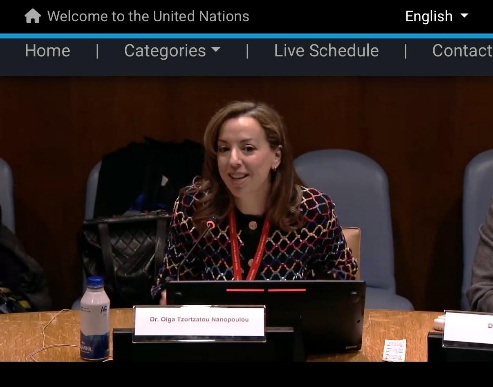
Digital exclusion in healthcare is not a technical problem. It is a human rights violation, and it demands the same urgency we give to any other structural barrier to women’s equality. — Dr. Olga Tzortzatou-Nanopoulou, Co-Founder & CEO, Nanopoulos Foundation (moderator)
DISTINGUISHED PANELISTS
The panel was designed as a deliberate narrative arc, moving from the global scale of the challenge, through the rights framework, the data and evidence gap, innovation as a potential equalizer, women’s lived experience, and finally the systemic changes needed in medical education and professional networks.
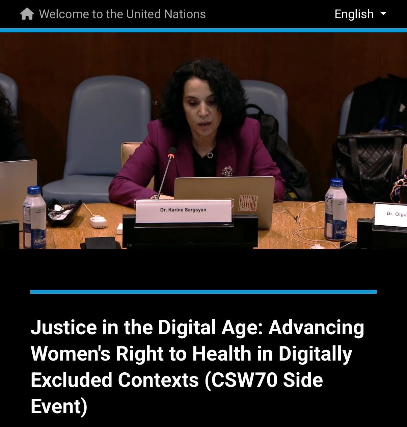
Dr. Karine Sargsyan, Cedars-Sinai Medical Center
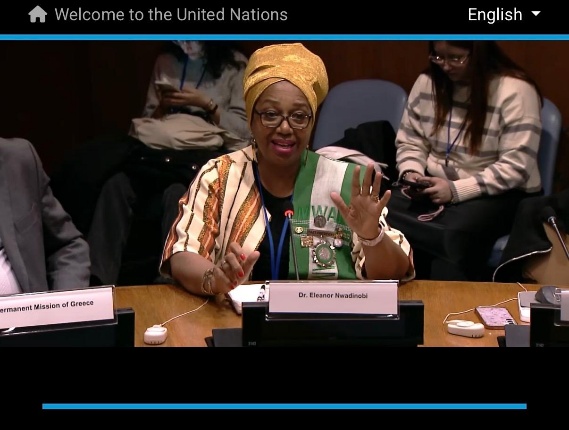
Dr. Eleanor Nwadinobi, (Former) President, Medical Women’s International Association (MWIA)
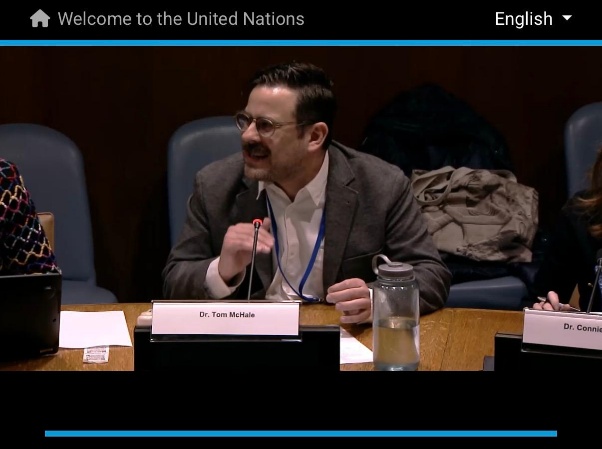
Tom McHale, Physicians for Human Rights
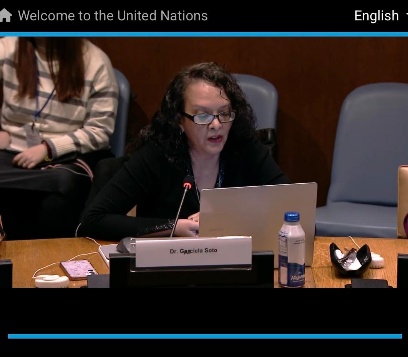
Dr. Graciela Soto, Albert Einstein College of Medicine, US Women Caucus, The Grail NGO
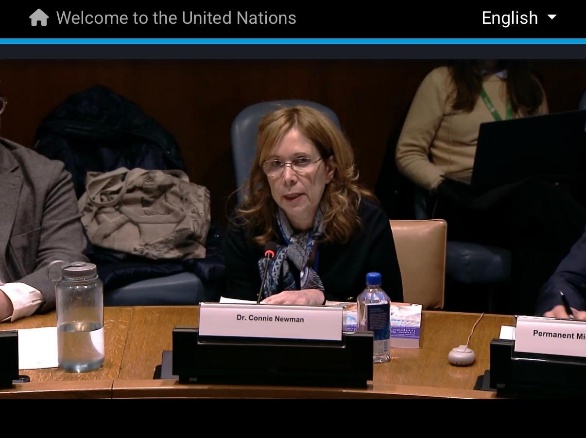
Dr. Connie Neaman, New York University · (Former) President American Medical Women Association (AMWA)
WHAT EMERGED
Four Critical Threads
Digital Exclusion as a Rights Violation
When access to healthcare becomes conditional on digital literacy, governments bear a legal and moral obligation to act. Accountability mechanisms for AI-driven health tools are not optional, they are a rights imperative.
Women Missing from the Data
Precision medicine and AI tools are only as equitable as the data behind them. Persistent underrepresentation of women in health datasets produces inaccurate diagnoses, suboptimal treatments, and compounding inequity.
Technology as Equalizer — If We Choose It
Deep technologies and AI are not inherently exclusionary. With intentional design, inclusive governance, and community co-creation, the same tools driving the digital divide can become powerful instruments of equity.
Systemic Change Through Education
The next generation of healthcare professionals must be trained to address gender bias and digital literacy barriers from day one. Medical associations and academic institutions are uniquely positioned to drive this shift.
LOOKING AHEAD
The Commission on the Status of Women was founded on the belief that women’s rights are not negotiable. This side event made the case, with evidence, with expertise, and with urgency, that digital rights in health are an extension of that same commitment.
We extend our deepest gratitude to our distinguished panelists, to the co-organizers, the Permanent Missions of Greece and Portugal to the United Nations, and to our co-sponsors: the International Cancer Expert Corps, NGO CSW Geneva’s Working Group on Health, The Grail NGO, the American Caucus NGO, Dianova International, MWIA, AMWA, Make Mothers Matter, and the Federation of Medical Women of Canada.
WATCH THE RECORDING HERE:
https://webtv.un.org/en/asset/k11/k1188govek
Organizers: Nanopoulos Foundation · Permanent Mission of Greece
Sponsors:
- Albert Einstein College of Medicine
- American Caucus NGO (CSW)
- American Medical Women’s Association (AMWA)
- Cedars Sinai Medical Center
- Dianova International
- FAWCO
- Federation of Medical Women of Canada (FMWC)
- International Council of Women (ICW-CIF)
- Make Mothers Matter (MMM)
- Medical Women’s International Association (MWIA)
- NYU
- Oxford University
- Permanent Mission of Portugal to the United Nations
- The Grail NGO
- World Council of Churches