AI in Biomedical Research, Digital Health, and Healthcare: Transformative Innovations, Health Literacy, Ethical-Legal Challenges, and Environmental Impact: BioMedAI Summer School, 3rd Edition: A program of the Nanopoulos Foundation, Digital Health Literacy & Policy Hub, hosted by IARC/WHO, May 26–28, 2025
INTRODUCTION
The rapid integration of artificial intelligence (AI) in healthcare presents unprecedented opportunities for advancing precision medicine, digital health, and global health initiatives, while introducing complex regulatory challenges and environmental, social, and governance (ESG) considerations.[1] As healthcare organizations increasingly adopt AI-driven solutions, harmonized regulatory frameworks that balance innovation with patient safety, data protection, and environmental sustainability have become critical.[2,3] Current implementations and regulatory landscapes vary significantly globally, creating compliance and ethical challenges for multinational healthcare and biomedical research initiatives.[4–6] The environmental impact of digital health technologies and AI applications, as well as the effects of climate change on human health, raise important questions.
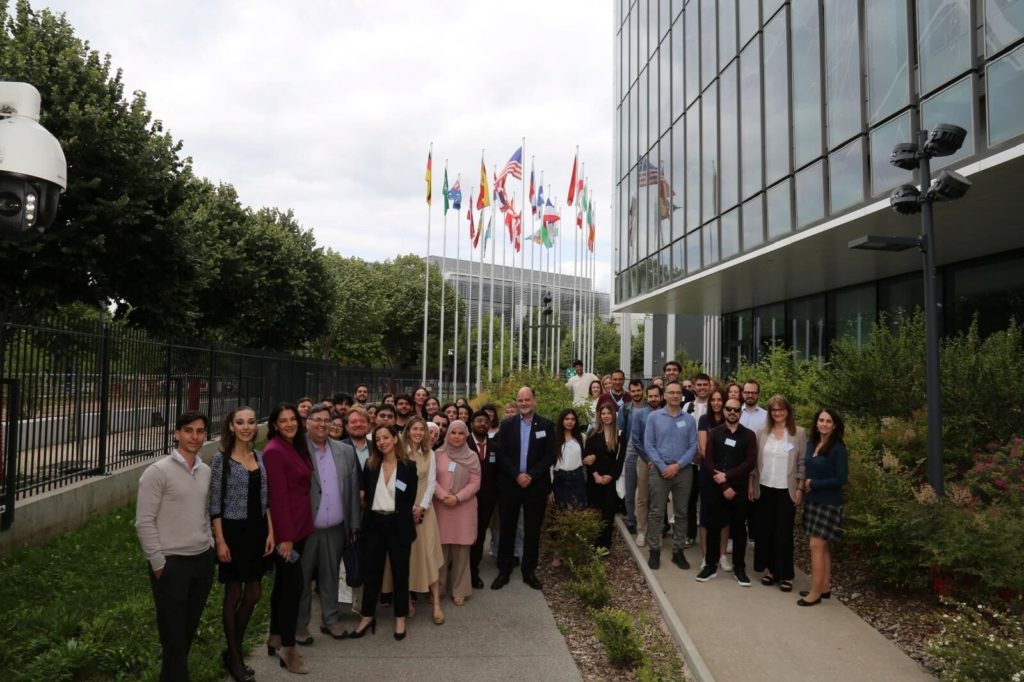
Taking this complex nexus of developments under consideration, the third BioMed-AI Summer School – a Nanopoulos Foundation initiative organized within its Digital Health Literacy and Policy Hub – was held in May 2025, at the International Agency for Research on Cancer/World Health Organization (IARC/WHO) in Lyon, France, with the overall theme of “Transforming healthcare through artificial intelligence: opportunities, challenges and ethical frontiers.”[7] The Summer School addressed these challenges by providing interdisciplinary and comprehensive insights into global regulatory perspectives, while exploring the intersection of AI advancement and ESG principles in healthcare contexts (the full list of sessions and speakers is included in the Supplementary Material, available online; key contributors are indicated within the text). Of note, the Summer School successfully engaged more than 80 participants from diverse professional backgrounds, including researchers, students, policymakers, and industry representatives from multiple countries, facilitating the shared experiences and knowledge transfer through interactive sessions.
The participants highlighted the accelerating maturity and integration of digital health technologies across clinical, research, and public health domains. Presentations showcased how AI-driven tools are increasingly being validated in real-world healthcare settings, supporting diagnostics, predictive modelling, and population health surveillance. A strong emphasis was placed on data quality, interoperability, and the ethical use of patient information as critical enablers of trustworthy innovation. Participants underscored the need for multidisciplinary collaboration—linking clinicians, data scientists, and policymakers—to ensure equitable and sustainable deployment. The contributions of IARC/WHO, pharma, and policy-making participants demonstrated that the field is transitioning from experimental applications toward regulated, scalable systems that align digital innovation with measurable public health impact. The key points are presented in the following thematic sections of this brief report and summarized in Table 1.
AI APPLICATIONS IN BIOMEDICAL RESEARCH
AI is a transformative force in biomedical research, accelerating data-driven discovery across multiple domains. For example, machine learning models can now process vast, heterogeneous datasets to reveal hidden biological patterns and disease mechanisms, reshaping hypothesis generation, enabling a shift from descriptive to predictive and integrative biomedical science.[8] Specifically, AI-based analyses showcased during the Summer School enabled faster linking of genetic profiles to disease risk.[9] These technologies improve diagnostic accuracy and streamline workflows in clinical settings, enabling healthcare professionals to concentrate on patient care despite concerns regarding AI bias and regulatory hurdles. Speakers, such as Drs. Stergios Christodoulidis and Maria Vakalopoulou, highlighted that multi-omics integration—combining transcriptomics, proteomics, metabolomics, etc.—is crucial for capturing biological complexity. Advances in proteomics and protein structure prediction benefited from AI models that achieve improved accuracy in modelling protein folding and interactions. Additionally, systems biology approaches in metabolomics and biomarker discovery integrate diverse molecular layers into actionable disease models. For example, combining X-ray crystallography, AF3 predictions, cryo-electron microscopy, and ligand interaction studies enhances understanding of structural dynamics and functional mechanisms, thereby bridging theoretical and practical aspects in neurobiology education.[10] Another such integrative approach was demonstrated in the AI-driven analysis of microbiome data by Prof. Nikos Kyrpides, indicating microbial signatures relevant to health, disease, and therapeutic development. Presentations underscored how host-microbiome interaction studies are elucidating the bidirectional influence between microbial communities and human physiology. It is anticipated that in the near future, AI models will be applied to design personalized microbiome interventions, including diet- and probiotic-based strategies, bridging individualized, systems-level approaches to health management. Moreover, a few examples were provided, including in the field of oncology, where AI-assisted olfactory tools, such as those by Prof Andreas Mershin, are improving patient stratification, identifying novel therapeutic targets, and guiding adaptive treatment decisions, while the need for ethically responsible cancer care ecosystems within this context was emphasized.[11]
AI in Clinical Practice and Healthcare Delivery
The Summer School highlighted how AI-powered imaging analysis is redefining computer-aided diagnosis, enhancing accuracy and speed across medical disciplines.[12] Orestis Trasanidis presented point-of-care diagnostic tools integrated with AI as examples of key enablers of decentralized, rapid, and cost-effective healthcare delivery. Another important aspect, presented by Dr. Julia Tsetis, was that AI-accelerated drug design and optimization emerged as one of the most transformative topics, with algorithms now capable of predicting molecular interactions and therapeutic efficacy at unprecedented scales. As a result, AI can narrow down the list of candidate targets, reduce the risk of mistaken choices, propose novel compounds via generative models for de novo drug design, provide predictions regarding pharmacodynamics, pharmacokinetics, and toxicity, and make drug repurposing proposals. All these processes would traditionally take too many years and incur great costs, which are now substantially reduced by AI.[13–15] Presentations by Prof. John Ioannides and Dr. Zisis Kozlakidis also showcased how AI supports clinical trial design and patient stratification.
CRITICAL CHALLENGES AND BARRIERS
Discussions on equity highlighted the urgent need to address algorithmic bias and its role in health disparities. Presenters, such as Profs. Antoine Harfouche and Timos Sellis, illustrated how biased datasets can perpetuate systemic inequalities, particularly affecting underrepresented populations in AI-driven healthcare systems. In a keynote lecture followed by a workshop, Prof. Antoine Harfouche stressed that the future of AI in medicine and healthcare should be shaped by human-centric, ethical AI design. The digital divide and limited digital literacy were identified as major barriers to equitable access, especially in low-resource settings. Drs. Olga Tzortzatou-Nanopoulou and Spyros Kouvelis underscored that integrating socioeconomic considerations into AI design and deployment is essential to ensure fairness, inclusiveness, and global accessibility of digital health technologies.[16]
The ethical ramifications of AI becoming sentient align closely with theories of consciousness, which call for a review of current laws such as the European Union AI Act and the European Union General Data Protection Regulation. Controlled AI development is necessary, with an emphasis on the psychological, social, and political effects of AI systems, especially the moral conundrums posed by the possibility of AI awareness.[17] Presentations detailed growing cybersecurity vulnerabilities that threaten healthcare systems and emphasized the need for robust, adaptive defense mechanisms.
Dr. Stella Apostolaki emphasized that climate change represents a health emergency with escalating risks, highlighting the increasing prevalence of climate-related hazards that threaten health without prompt adaptation and mitigation. She advocated for multisectoral, equity-focused risk assessments as essential for delivering urgent solutions, urging health systems and urban planners to incorporate climate intelligence and resilience. Christina Deligianni also discussed NeuroClima (neuroclima.eu), an EU-funded Horizon Project intended to enhance awareness, share best practices, and promote sustainable climate adaptation and resilience solutions.
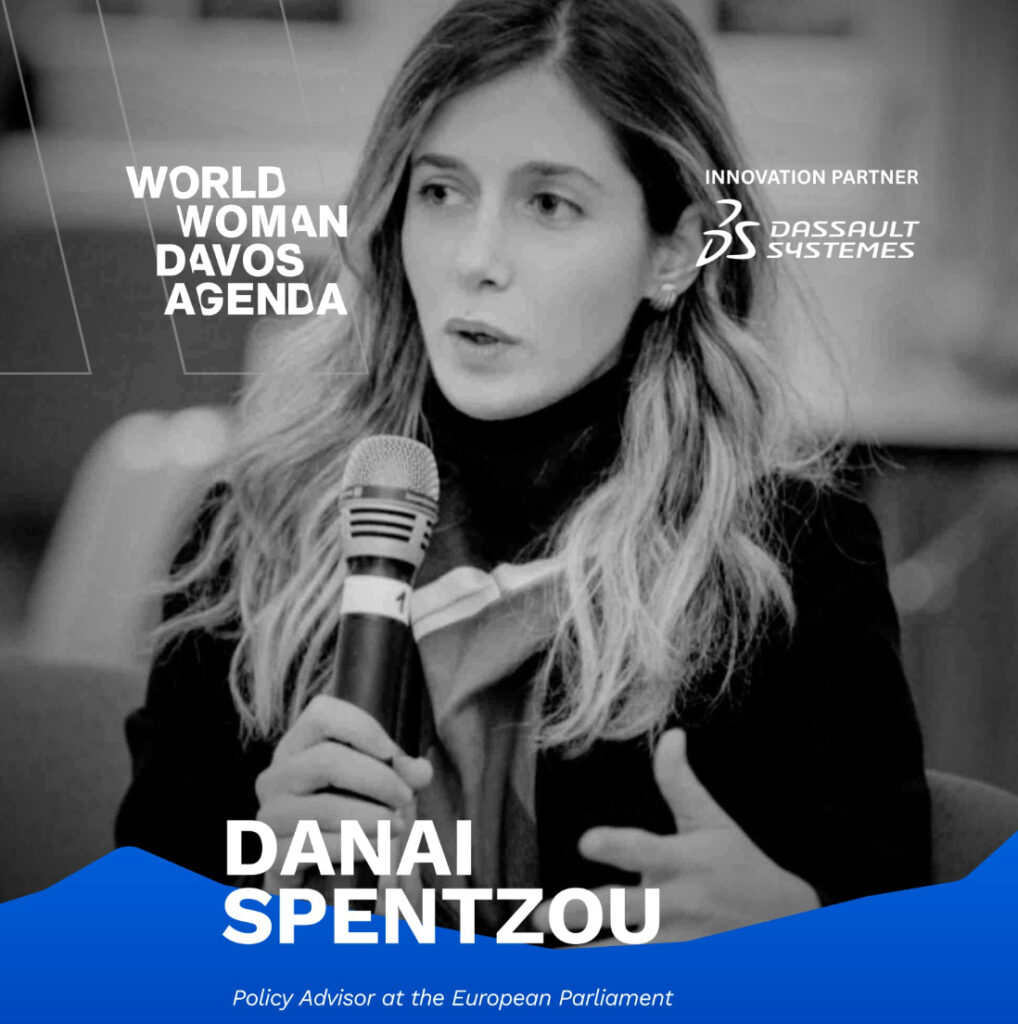
Regulatory compliance and data governance frameworks are essential for building public trust and accountability in AI, as highlighted by Prof. Paraskevi Papadopoulou and Danai Spentzou, moderated by Christina Deligianni. The integration of AI in healthcare must involve early regulatory engagement and adherence to ESG principles. The environmental impact of large-scale AI systems was emphasized, with calls to optimize energy usage and adopt green technologies. The workshop’s outcomes support international efforts for coherent healthcare AI governance, advocating for harmonized standards, improved regulatory testing, and clear metrics for assessing AI’s social and environmental effects.[18]
WAY FORWARD: ETHICAL FRAMEWORKS AND GOVERNANCE, AND HEALTH LITERACY
The development of responsible AI in healthcare requires adherence to ethical principles, clear guidelines, and robust accountability mechanisms that ensure transparency and explainability. Regulatory frameworks are evolving to keep pace with innovation, emphasizing international coordination, shared standards, and compliance with ESG principles. The Summer School demonstrated the critical importance of multi-stakeholder collaboration in developing regulatory frameworks supporting responsible AI innovation in healthcare while addressing environmental and social sustainability imperatives. However, active stakeholder engagement, including patients, healthcare providers, and private partners, is vital to foster trust, ensure equitable adoption, and strengthen collaboration, as demonstrated by Prof. Kostas Athanasakis. To this end, digital health literacy remains a cornerstone for effective AI integration, requiring targeted patient education, empowerment initiatives, and ongoing professional training. The example from the SCIBIOEU project was presented, where inclusive design strategies in biobanking prioritized accessibility, cultural sensitivity, and linguistic diversity to ensure broad usability across populations.[19]
Policymakers play a crucial role in shaping a supportive ecosystem for digital health by developing robust regulatory frameworks, investing in digital infrastructure, and advancing health equity initiatives. Subsequently, healthcare organizations must translate these policies into practice through effective implementation strategies, continuous staff training, and proactive change management to ensure smooth integration. The Smart Technologies to Extend Lives with Linear Accelerators (STELLA) project by Prof. Manjit Dosanjh illustrated a systems-level approach to radiotherapy innovation, addressing infrastructure, technology, and workforce simultaneously.[20] Complementary to such ambitious projects, maintaining high standards of quality assurance and performance monitoring is essential to build trust and demonstrate value. Thus, a user-centered development approach, such as that of the Healthwise consortium, presented by Dr. Tim Beck, ensures that AI tools and digital solutions meet the real needs of patients and clinicians alike. The final synthesis of the Summer School was provided by Prof. Dimitri Nanopoulos, who highlighted the need for further integration of emerging biotechnologies, such as quantum biology,[21,22] into real-world global health applications that would ensure scalability, long-term sustainability, and impact. This last presentation provided both a call to action for stakeholders for the imperative for responsible AI integration in healthcare and a clear vision for equitable and sustainable AI-driven healthcare.
CONCLUSION
The future of healthcare lies in harnessing next-generation AI technologies and integrating them with emerging biotechnologies to advance diagnosis, treatment, and prevention. These innovations hold vast potential for global health applications, enabling scalable solutions that transcend geographical and socioeconomic boundaries. Ensuring long-term sustainability and measurable impact will depend on maintaining ethical integrity, digital literacy, and equitable access. Synthesizing the key insights highlights a clear imperative: AI must be developed and deployed responsibly to enhance, not replace, human care. Achieving this vision demands collective action from policymakers, healthcare providers, technologists, and communities alike. When these areas of activity work together, as presented during the BioMed-AI Summer School, they can shape an equitable, transparent, and sustainable AI-driven healthcare future that prioritizes both innovation and humanity.
ACKNOWLEDGMENTS
The authors thank all the presenters at the third BioMed-AI Summer School who made interdisciplinary learning possible by sharing their unique experiences and expertise. Presenters include (in alphabetical order): Stella Apostolaki, Kostas Athanasakis, Tim Beck, Stergios Christodoulidis, Mustafa Mert Corbaci, Christina Deligianni, Manjit Dosanjh, Antoine Harfouche, John Ioannides, Spyros Kouvelis, Zisis Kozlakidis, Nikos Kyrpides, Andreas Mershin, Dimitri V. Nanopoulos, Paraskevi Papadopoulou, Dayana Isabel Espinosa Pozo, Adan Rotteveel, Timos Sellis, Elke Smits, Danai Spentzou, Orestis Trasanidis, Julia Tsetis, Eszter Tuboly, Olga Tzortzatou-Nanopoulou, Maria Vakalopoulou, and Vasileios Zogopoulos.
Supplemental Material
Supplemental materials are available online with the article.
References
1. Sargsyan K. Artificial intelligence and machine learning: technologies revolutionizing the healthcare sector and biomedical research. Innov Dig Health Diagn Bio. 2024;4:50–52.
2. Akyüz K, Goisauf M, Chassang G, et al. Post-identifiability in changing sociotechnological genomic data environments. BioSocieties. 2024;19:204–231.
3. Papadopoulou P, Lytras M, Konstantinopoulou S. Precision Health in the Digital Age: Harnessing AI for Personalized Care. IGI Global, 2024.
4. Al Knawy B, McKillop MM, Abduljawad J, et al. Successfully implementing digital health to ensure future global health security during pandemics: a consensus statement. JAMA Netw Open. 2022;5:e220214.
5. Mayrhofer MT, Slokenberga S, Mežinska S. Artificial Intelligence in Biobanking: Ethical, Legal and Societal Challenges. 1st ed. Routledge, 2025.
6. Tzortzatou‐Nanopoulou O, Akyüz K, Goisauf M, et al. Ethical, legal, and social implications in research biobanking: a checklist for navigating complexity. Dev World Bioeth. 2024;24:139–150.
7. Third annual BioMed-AI Summer School. Transforming healthcare through artificial intelligence: Opportunities, challenges and ethical frontiers. International Agency for Research on Cancer, World Health Organization, Lyon, France; May 26–28, 2025.
8. Roy D, Srivastava R, Jat M, Karaca MS. A complete overview of analytics techniques: descriptive, predictive, and prescriptive. In: Jeyanthi PM, Choudhury T, Hack-Polay D, et al. Eds. Decision Intelligence Analytics and the Implementation of Strategic Business Management. EAI/Springer Innovations in Communication and Computing. Springer International Publishing, 2022:15–30.
9. Orfanou S, Koranis A, Tzermpou E, Papadopoulou P. Advancing medical diagnostics via artificial intelligence: a simulation-driven approach to disease detection. Presentation at BioMed-AI Summer School, IARC-WHO, Lyon, France, May 2025.
10. Koranis A, Tzermpou E, Orfanou S, Papadopoulou P. Comparative structural analysis of sodium channels using X-ray crystallography, alphafold 3, cryo-EM, and ligand interactions: an educational perspective. Presentation at BioMed-AI Summer School, IARC-WHO, Lyon, France, May 2025.
11. Rotteveel A, Lee WY, Kountouri Z, et al. Towards robust medical machine olfaction: debiasing GC-MS data enhances prostate cancer diagnosis from urine volatiles. PLoS One. 2025;20:e0314742.
12. Tzermpou E, Kaur T, Stavroulaki S, et al. Automated image analysis of neuroinflammation: staging microglia activation in the brain. Presentation at BioMed-AI Summer School, IARC-WHO, Lyon, France, May 2025.
13. Al Kuwaiti A, Nazer K, Al-Reedy A, et al. A review of the role of artificial intelligence in healthcare. J Pers Med. 2023;13:951.
14. Ganesh S, Su Q, Vo LBD, et al. Design of condition-based maintenance framework for process operations management in pharmaceutical continuous manufacturing. Int J Pharm. 2020;587:119621.
15. Seyedan M, Mafakheri F. Predictive big data analytics for supply chain demand forecasting: methods, applications, and research opportunities. J Big Data. 2020;7:53.
16. Zisis K, Pavi E, Geitona M, Athanasakis K. Real-world data: a comprehensive literature review on the barriers, challenges, and opportunities associated with their inclusion in the health technology assessment process. J Pharm Pharm Sci. 2024;27:12302.
17. Koutsis N, Papadopoulou P. AI’s pursuit of consciousness and ethical challenges. Presentation at BioMed-AI Summer School, IARC-WHO, Lyon, France, May 2025.
18. Apostolaki S, Papadopoulou P. Following the principles of sustainable development goal (SDG) 4 -quality education. Strengthening education for sustainable development (ESD). Presentation at BioMed-AI Summer School, IARC-WHO, Lyon, France, May 2025.
19. Tzortzatou-Nanopoulou O, Zogopoulos VL. Developing tools for education in biobanking: the “SCIence outreach: the example of BIObanks in Europe. Presentation at BioMed-AI Summer School, IARC-WHO, Lyon, France, May 2025.
20. Dosanjh M. Access to effective cancer care in low- middle income countries requires sophisticated linear accelerator based radiotherapy. JACoW. 2022:3147–3151.
21. Mavromatos NE, Mershin A, Nanopoulos DV. QED-Cavity model of microtubules implies dissipationless energy transfer and biological quantum teleportation. Int J Mod Phys B. 2002;16:3623–3642.
22. Mavromatos NE, Mershin A, Nanopoulos DV. On the potential of microtubules for scalable quantum computation [Preprint]. arXiv website. May 26, 2025. DOI: 10.48550/2505.20364